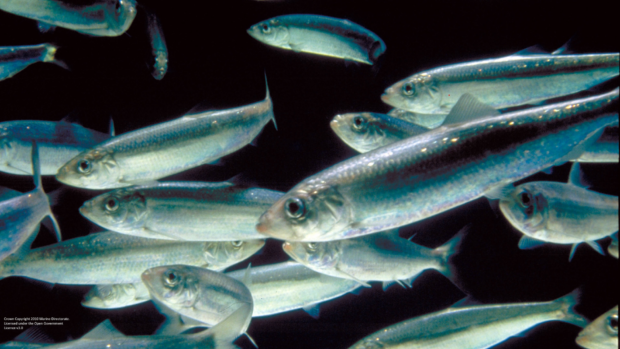
The Scottish Government is inviting stakeholders to take part in pre-consultation workshops for the Scottish-led pelagic fisheries management plans (FMPs) on 25 March 2026.
There are two workshops available: one for industry and one for environmental and communities’ groups. See details below.
These early discussions are an important opportunity to help shape the plans before a full public consultation later in the summer.
The workshops aim to support meaningful engagement at an early stage of development, ensuring that those with an interest in these fisheries can contribute directly to the direction of the FMPs before drafting is finalised.
The pelagic FMPs are:
- Northern shelf mackerel
- Atlanto Scandian herring
- North Sea herring
- West Coast of Scotland (and Clyde) herring
- North Sea greater silver smelt
- West of Scotland greater silver smelt
- Northern Shelf blue whiting
- North Sea horse mackerel
Find more information about Scotland-led FMPs on GOV.SCOT.
How to register
If you would like to join the workshops, please sign up before 18 March:
As with previous FMP engagement, draft materials may be shared with participants to support informed discussion. By expressing interest, you are confirming that you are content to keep any drafts confidential, allowing for free and frank conversations during the pre-consultation process.
Current FMP development timelines
The pelagic workshops form part of a wider programme of FMP work across the UK.
The current draft timelines for Scotland-led FMPs are:
- Demersal FMPs: Public consultation running from 20 November 2025 to 11 March 2026
- Nephrops FMPs: Consultation planned for launch in March 2026 (TBC)
- Pelagic FMPs: Pre-consultation workshops in March 2026
- Pelagic FMPs: Public consultation planned for late summer 2026
- Publication of the demersal, nephrops and pelagic FMPs is expected in late 2026
Please note that all timescales are draft and may be subject to change.
Thank you
Thank you to all stakeholders who continue to support the development of fisheries management plans. Your input is vital in helping us shape sustainable, evidence-based management for UK fisheries.
Leave a comment