
Why MMO has launched this webpage
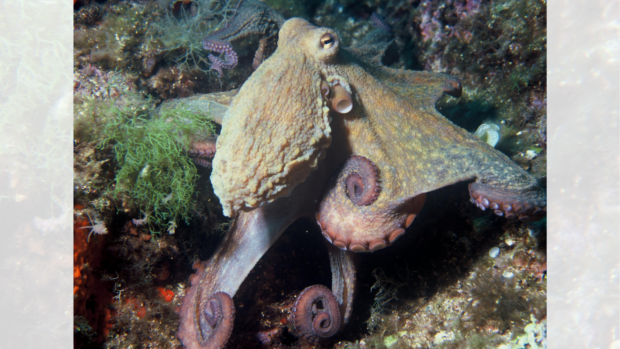
Since 2025, increasing numbers of common octopus (Octopus vulgaris) have been recorded in South West England. This increase, often known as an "octopus bloom", has generated a lot of interest across the fishing industry, government and the scientific community.
To help keep everyone informed, we, at the Marine Management Organisation (MMO), have launched a new webpage dedicated to the octopus bloom on GOV.UK.
A single place for the latest information
The new webpage brings together the latest information about the octopus bloom in English waters, making it easier to find updates in one place.
You’ll be able to access:
- updates from MMO and government
- information about our work with stakeholders
- the latest on scientific research and monitoring activity
- monthly octopus and shellfish landing information
The octopus and shellfish infographics, previously shared through the South West Regional Fisheries Group will now be published on this webpage and continue to be updated every month.
🔗 MMO updates on the octopus bloom page on GOV.UK.
Help us build a clearer picture
We've also launched a new octopus reporting portal on this webpage.
Whether you’re a diver, recreational angler or member of the public, you can use the portal to report octopus sightings.
Every sighting helps. Combined with commercial fisheries data, these reports will help us better understand of where octopus are being found and whether they are appearing in new areas.
Supporting fisheries management plans
Both common octopus (Octopus vulgaris) and curled octopus (Eledone cirrhosa) are included in the Southern North Sea non-quota species fisheries management plan (FMP) and the Channel demersal non-quota species FMP.
Although these FMPs were developed before the increase in octopus sightings and landings seen in 2025, they already included actions to improve our understanding of octopus species through monitoring, research and evidence gathering.
Much of the work underway in response to the octopus bloom supports these FMP actions and will help us understand whether any additional steps may be needed in the future.
Working with the industry
We’re continuing to work closely with fishermen, scientists and other stakeholders while monitoring landings and gathering evidence.
This will help us better understand:
- the impact of increasing octopus numbers on other fisheries
- any wider marine environment effects
- opportunities for the octopus fishery
If you'd like to find out more, see the latest landings updates or report an octopus sighting, please visit the new webpage.
If you have any questions, contact us at FMP@marinemanagement.org.uk