Since 2025, fishermen in south-west England have seen a sharp increase in octopus catches. While this has created new opportunities for some, others have raised concerns about impacts on shellfish fisheries. Even where the increase has brought benefits, it has meant adapting to a fishery that has looked very different from the one many fishermen have known for years.
Similar increases have been reported elsewhere in Europe over the past few years, raising questions about what is driving the change and what it could mean for the future. There is still no clear agreement on what is causing the increase in octopus numbers, how long they are here to stay, or how fisheries should respond.
Bringing people together
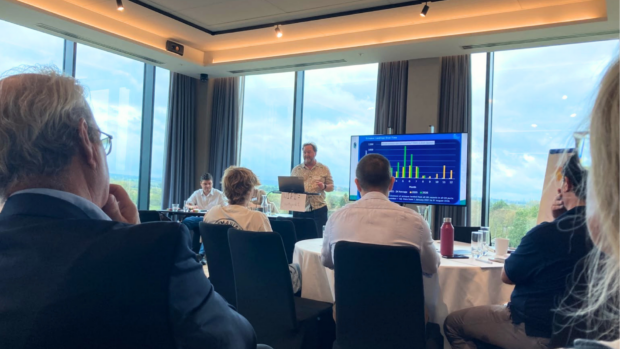
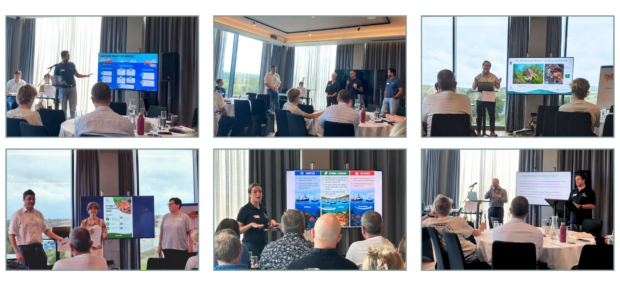
To explore these issues, Defra hosted a conference on 15 October bringing together fishermen, fisheries managers, international experts, and scientists. The conference provided an opportunity for people with different experiences and expertise to share what they are seeing.
Fishermen spoke about the practical impacts on their businesses and local fisheries – setting out both the opportunities and the consequences.
Scientists shared the latest scientific findings and evidence on the species, highlighted the unknowns, and set out what's planned in terms of data collection and research.
International experts shared lessons from their experiences in managing a similar octopus bloom in Brittany - and we also heard from the Marine Stewardship Council on how MSC certified fisheries in Spain and Australia are managed.
Fisheries managers explained the challenges of making decisions when there is still limited evidence.
Participants also discussed ideas for future management and identified priorities for further research.
Reflections from the conference
What did people tell us?
The clearest message from the day was that the increase in octopus numbers is being experienced differently across fisheries and locations.
For some fishermen, increased catches have created a new opportunity. For others, particularly those working in shellfish fisheries, it has added pressure to already challenging conditions and raised concerns about octopus feeding on shellfish, gear interactions, displacement and future access.
What did we learn?
The discussions also showed how much is still unknown. People were keen to better understand whether the increase in octopus numbers is likely to continue, and what, if any, action should be taken while we continue to learn more.
Hearing directly from fishermen, scientists, fisheries managers and speakers from other countries helped bring different perspectives together. It also showed the value of combining practical experience with scientific evidence.
What happens next?
The conference helped us hear different views and experiences from across the fishing industry and fisheries management. A repeated theme was the need for decisions that are evidence-based, adaptable and fair across fisheries.
We will use what we learned, alongside existing evidence and feedback, to identify where more research is needed and help guide future work on octopus in English waters.
Keep up to date
- New GOV.UK page to stay updated on the octopus bloom
- Defra press release 16/10/26: Octopus explosion off South West prompts talks between fishermen and scientists
Leave a comment